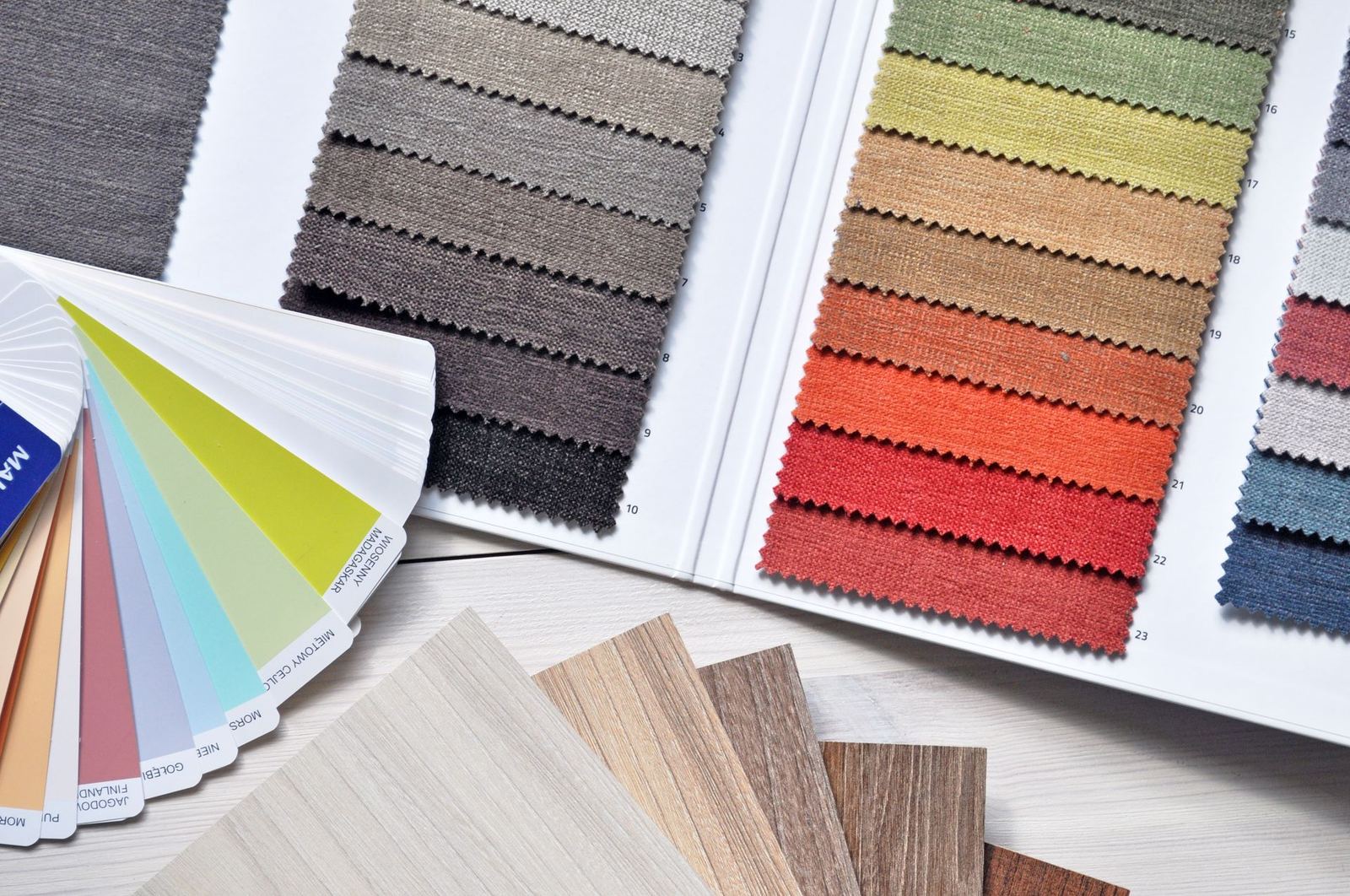

The differences between solid timber and veneer, the reasons for price gaps, and which makes more sense for which use.
The dining table is one of the hardest-working pieces in a home: breakfast, homework, guests and hours at the laptop. So it should be chosen by the structure of its top, not only by looks. Let us outline the difference between solid timber and veneer.
What is a solid top?
A solid top is made through and through from the same timber, glued from several strips. Its biggest advantage is that when scratched it can be sanded and re-oiled; even after thirty years the table can be renewed to look as it did on day one. The drawbacks are that the wood moves with the seasons and that it is heavy: a 180 cm solid walnut table can exceed 70 kg.
What is veneer?
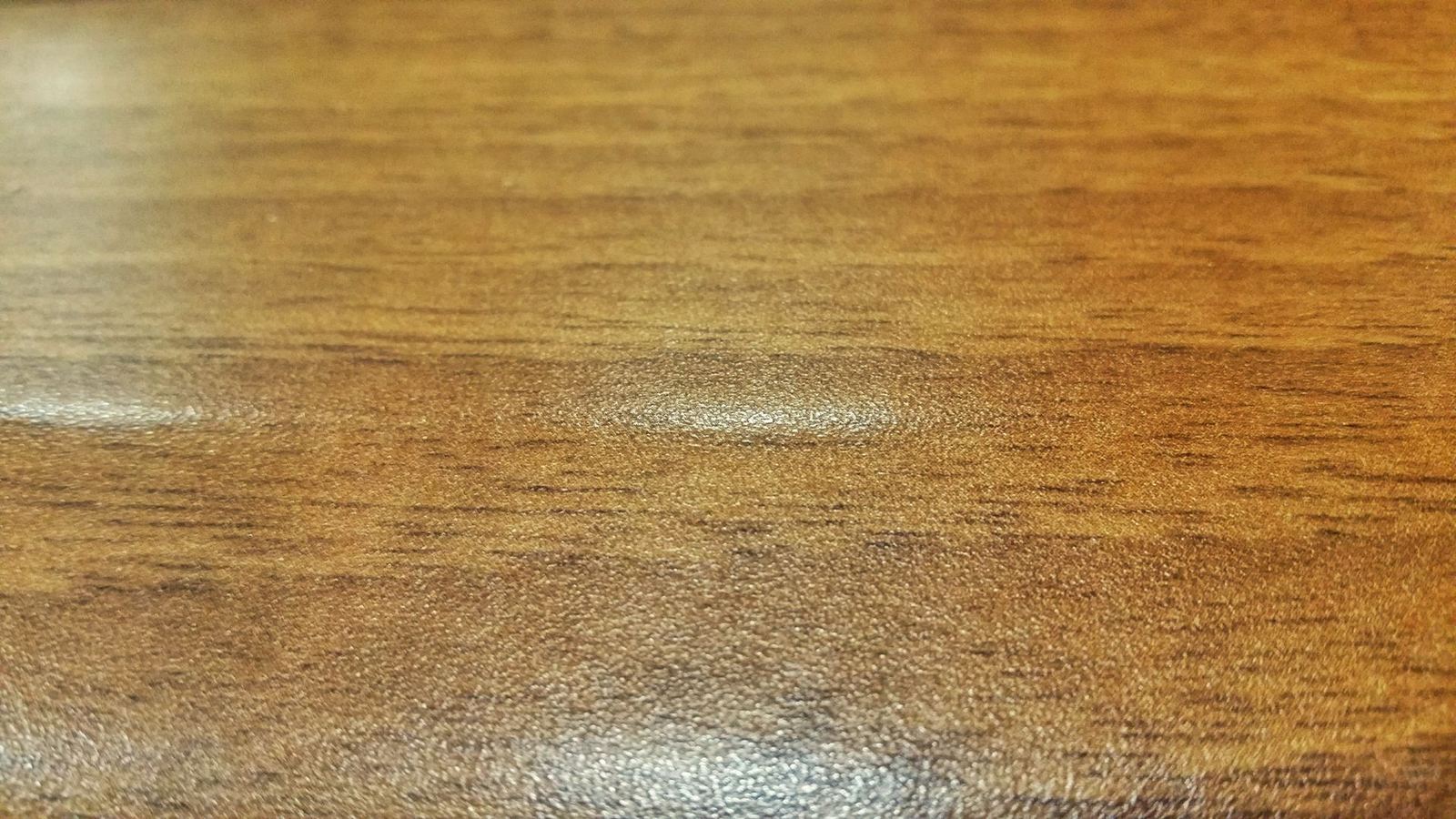
In veneer a 0.6 mm sheet of timber is pressed onto a plywood or laminated core. The risk of warping is low and the price is markedly lower. But because the layer is thin, a deep scratch cannot be sanded out, and a hot pan or water stain can leave permanent marks.
Where does the price gap come from?
About 55% of a solid walnut table's price is raw material. A table of the same size can be made in veneer for roughly 30–40% less. Spread over 15–20 years of use, that gap shrinks to a small annual cost.
Which suits whom?
- A busy household with children and a long-term investment: solid
- A rented home, office or five-to-eight-year use: veneer
- A table with a lot of hot drinks and wet glasses: a high-resistance lacquered finish (in either option)
Checklist when buying
Ask about the thickness of the top (at least 28 mm), the edge profile, strip matching and whether butterfly keys are used underneath. The warranty document should state a structural warranty period. On our Sedir dining table the top is 30 mm solid walnut, butterfly-keyed, with a five-year structural warranty.
Care difference
A solid top wants a light sanding and oiling once a year; the job takes half an hour and makes the table look renewed. With veneer you only wipe with a damp cloth and avoid putting hot pots down without trivets, but the surface cannot be renewed. In either case keeping the table at least 50 cm from radiators and sun-struck windows reduces the risk of warping and fading.
If you cannot decide we suggest a practical test: ask whether you will use the table for ten years. If yes, choose solid; if not, veneer. The middle path is a hybrid model with a solid timber frame and a veneered top.
Sound and feel
Knock on a solid top and you hear a full, deep sound; veneered and hollow-core panels sound duller and higher. Running your hand across the surface, you feel the warmth and pores of solid timber. For first-time buyers this is a detail worth touching and testing in store.